The kitchen is one of the single biggest variables in a home's replacement cost. Two homes with identical square footage can differ by tens of thousands of dollars to rebuild based on kitchen quality alone — which is exactly why insurance-to-value worksheets ask about it. Estimate the grade too low and you risk underinsuring the dwelling, which can trigger a coinsurance penalty at claim time.
The quality tiers
Replacement-cost estimators group kitchens into quality grades. In plain terms:
- Builder / basic — stock cabinets, laminate countertops, and entry-level appliances. The default in most tract housing.
- Standard / semi-custom — upgraded stock or semi-custom cabinets, solid-surface or lower-end stone counters, and mid-grade appliances.
- Custom / luxury — custom cabinetry, natural stone or quartz, professional-grade or panel-ready appliances, and premium fixtures.
- Commercial — commercial-rated equipment and finishes, relevant for mixed-use or light-commercial risks.
How to use it
When you're setting a dwelling limit or reviewing a replacement-cost estimate, walk the insured through these tiers and have them identify which one matches their kitchen. The closer the grade is to reality, the more accurate the rebuild number — and the less likely the policyholder is to be caught underinsured after a loss.
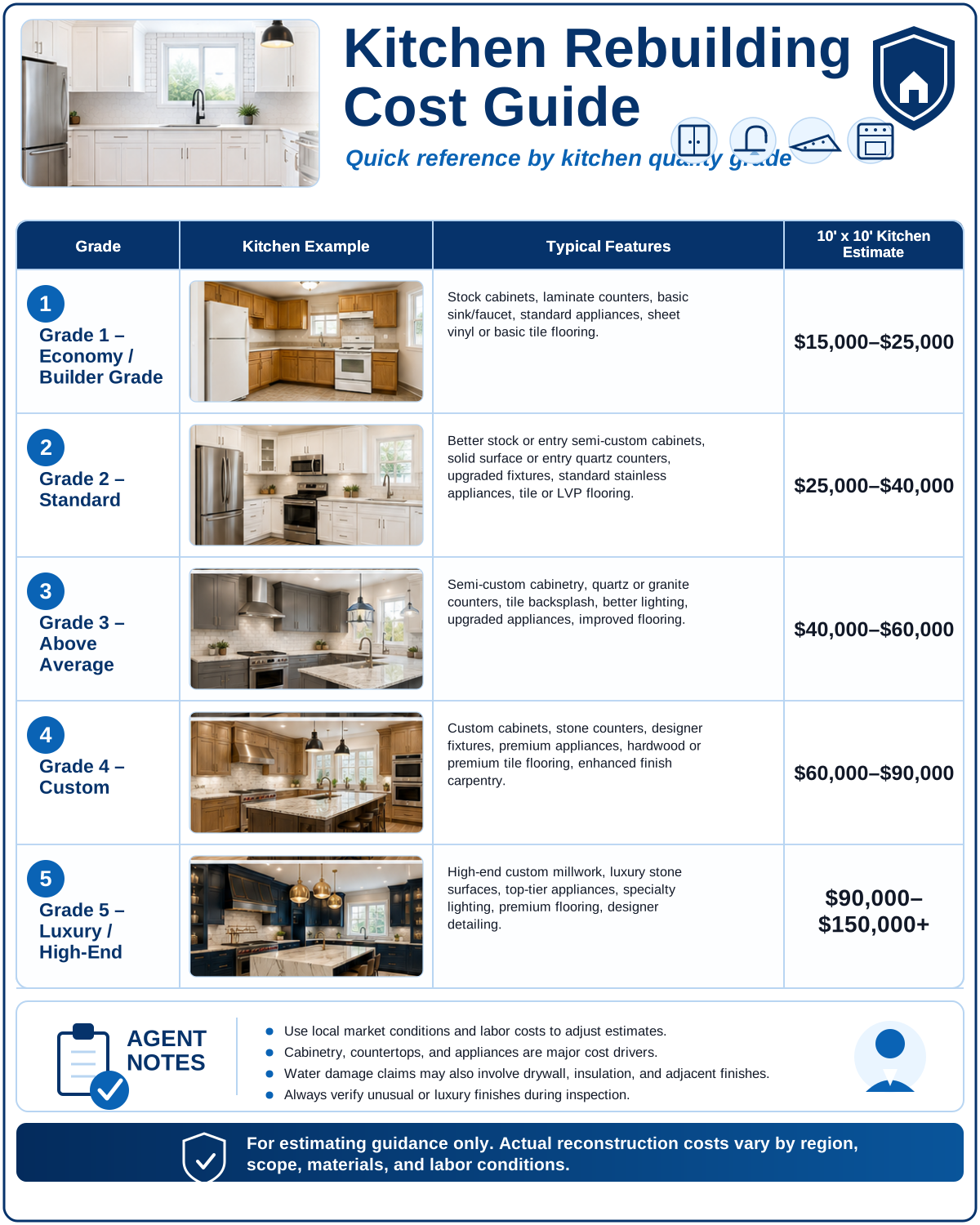
Kitchen quality reference — use it with the insured to pin down the right grade before finalizing a replacement-cost figure.
Educational use by licensed professionals only; not legal, compliance, or coverage advice. Replacement-cost methodology varies by carrier and estimator — always confirm valuation against your carrier's tool and guidelines.